

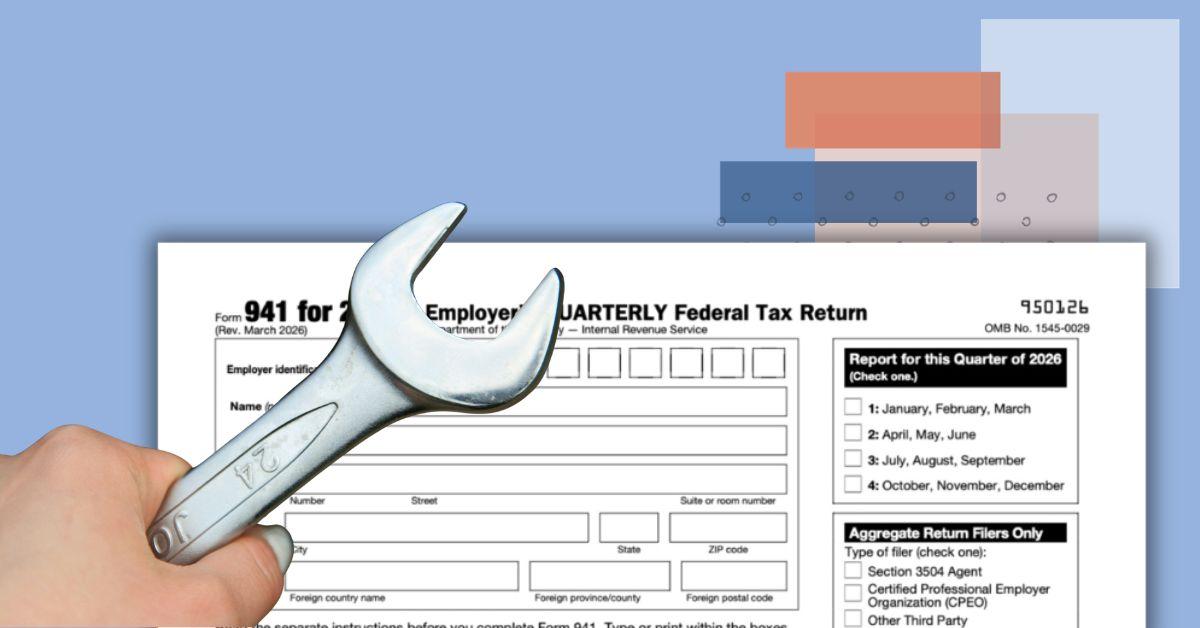
Estimated Taxes in 2026: What Business Owners Should Adjust After April 15
Logan Lum,
Associate Vice President, Lead Wealth Advisor
For many business owners, April 15 can feel like the finish line of tax season. But in reality, it’s only the beginning of the next tax cycle; especially if you’re responsible for paying quarterly estimated taxes.
As we move into the 2026 tax year, our team at WHZ is advising our business owner clients to pay attention to several policy changes, new compliance expectations, and shifting income dynamics.
Here’s a look at the key things all business owners should do to reassess their estimated tax strategy right after April 15.
Why Estimated Taxes Matter for Business Owners
Estimated taxes are how the IRS collects income and self-employment taxes from individuals and business owners whose income isn’t subject to withholding. Unlike employees who have taxes withheld from each paycheck, many business owners—especially those operating as sole proprietors, LLC members, partners, or S-corporation owners—must pay taxes incrementally during the year.
If you expect to owe $1,000 or more in federal taxes, this rule will generally apply to you.
Estimated tax payments typically include income tax, self-employment tax, and additional taxes on investment income or other non-withheld earnings.
If you fail to pay enough tax throughout the year, the IRS may assess underpayment penalties and interest, even if you ultimately pay the full balance when filing your return.
This is why proactive planning after April 15 is so important.
read more below

get started on living well
Subscribe to the Fearless Flyer
Get the financial tips and insights you need to fearlessly pursue your goals, plus access to subscriber-only benefits like our Tax Resource Center and more.
Key Estimated Tax Deadlines for 2026
The IRS collects estimated taxes quarterly based on when income is earned. For the 2026 tax year, the payment schedule is:
- April 15, 2026 – First payment (income from Jan 1 – Mar 31)
- June 15, 2026 – Second payment (Apr 1 – May 31)
- September 15, 2026 – Third payment (Jun 1 – Aug 31)
- January 15, 2027 – Fourth payment (Sep 1 – Dec 31)
Because the first payment is due the same day as the annual filing deadline, April 15 effectively marks the transition into the new estimated tax cycle.
Adjustment #1: Recalculate Your Estimated Income for 2026
Many business owners simply reuse the prior year’s tax numbers to determine estimated payments. While this can work in stable years, 2026 may require a more careful recalculation.
Factors that could affect your tax liability include business growth or declining revenue, changes in deductions or credits, new tax legislation or policy changes, and adjustments to deduction levels or other thresholds.
If your income is trending upward, or if your business experienced a strong first quarter, your estimated payments may need to increase to avoid penalties later in the year.
Adjustment #2: Understand the Safe Harbor Rules
One of the most useful tools for avoiding underpayment penalties is the IRS safe harbor rule. To stay penalty-free, taxpayers generally must pay either:
- 90% of their current year tax liability, or
- 100% of the previous year’s tax liability
- 110% of the prior year tax if income exceeded $150,000
Using the safe harbor method can simplify estimated tax planning, especially for business owners whose income fluctuates. However, if your profits increase dramatically, relying solely on last year’s numbers may still leave you with a large balance due at filing time, so projections remain important.
Adjustment #3: Update Cash Flow Planning
Estimated tax payments are not just a tax issue – they’re a cash-flow management issue. Quarterly tax bills can surprise business owners who haven’t set aside funds throughout the year.
A best practice is to reserve a percentage of revenue in a dedicated tax account. Consider setting aside 25%–35% of net income depending on your tax bracket and state taxes.
In addition, businesses should track income and expenses monthly, adjust tax reserves if revenue spikes, and review estimated payments mid-year with a tax professional. This approach helps avoid scrambling for liquidity when payment deadlines arrive.
Adjustment #4: Consider Payment Automation
The IRS increasingly encourages electronic payment methods. Businesses can submit estimated tax payments electronically through systems like the Electronic Federal Tax Payment System (EFTPS) or IRS Direct Pay.Scheduling payments in advance can help reduce the risk of missed deadlines and simplify compliance.
Adjustment #5: Coordinate With Your Overall Financial Plan
Taxes should never be addressed in isolation. For business owners, estimated taxes intersect with retirement contributions, business reinvestment decisions, compensation structure, and long-term wealth planning.
Tax planning should be part of a broader financial strategy rather than a once-a-year exercise. By integrating tax planning with your overall financial plan, you can often reduce tax liability while improving long-term financial outcomes.
Take the Next Step
April 15 is not just a tax filing deadline—it’s the starting point for your 2026 estimated tax strategy. For business owners, the smartest move is to review income projections, adjust quarterly payments, and ensure your cash flow plan supports those obligations. Doing so can help you avoid penalties, maintain financial flexibility, and keep your business moving forward confidently.
If you’re a business owner unsure whether your estimated tax strategy is aligned with your financial plan, get in touch with our team at WHZ Strategic Wealth Advisors.
We work closely with business owners and their tax professionals to coordinate tax planning with investment strategy, retirement planning, and long-term wealth management, helping to ensure that your profits get put to work for you in the strongest ways possible.
Schedule an introductory discovery session today to see how we can help you to ensure your 2026 tax strategy, and your business as a whole, is positioned to support your broader financial goals. Call us at (860) 928-2341 to arrange a free discovery session, or schedule one online now.
Authored by WHZ Wealth Advisor Logan Lum. AI may have been used in the research and initial drafting of this piece. Investing in alternative investments may not be suitable for all investors and involves special risks, such as risk associated with leveraging the investment, utilizing complex financial derivatives, adverse market forces, regulatory and tax code changes, and illiquidity. There is no assurance that the investment objective will be attained. These materials are general in nature and do not address your specific situation. For your specific investment needs, please discuss your individual circumstances with your financial advisor. WHZ Strategic Wealth Advisors does not provide tax or legal advice, and nothing in the accompanying pages should be construed as specific tax or legal advice. Securities and advisory services offered through Commonwealth Financial Network®, Member FINRA/SIPC, a Registered Investment Adviser. 697 Pomfret Street, Pomfret Center, CT 06259 and 392-A Merrow Road, Tolland, CT 06084, 860.928.2341. https://www.whzwealth.com.
You & Your Money Podcast
Tune in for market updates and financial tips to help you Plan Well, Invest Well and Live Well.
WHZ on YouTube
Quick Tip videos designed to empower you to reach your financial life goals.