
The New IRS: Fewer Auditors, Smarter Algorithms. What High Earners Need to Know
IRS audits of high earners have dropped sharply, but AI matching systems have not. What high-net-worth taxpayers and business owners should document now.


Our advisors have a wealth of knowledge, and they're sharing it all the time, right here on our blog. Dive in and get the information and insights you need. But don't stop there. Get our financial tips and insights delivered straight to your inbox with our Fearless Flyer newsletter, to help you keep fearlessly pursuing your financial and life goals.
 2024 Gramercy Institute Financial Content Marketing – Personal Investing Award, created by Gramercy Institute and presented in September 2024, was based on data gathered in the 18 months preceding the award date. An unknown number of candidates were considered for the award in the Personal Investing Business-to-Consumer category, and two were awarded. Participants pay a fee to apply for consideration. This award is not indicative of an advisor’s future performance, and your experience may vary. For more award information, visit https://www.gramercyinstitute.com/winners-2024-content-mktg-awards.
Read more: WHZ Strategic Wealth Advisors, Dunn Marketing Win Prestigious Gramercy Institute Award for Person-Centered Content Marketing Campaign
IRS audits of high earners have dropped sharply, but AI matching systems have not. What high-net-worth taxpayers and business owners should document now.

See how OBBBA’s tax changes could affect executive compensation, stock option timing, SALT deductions, and deferred compensation planning. Use this checklist to identify which strategies and agreements may need a fresh review.

High-net-worth families should revisit estate plans after OBBBA raised the federal estate and gift tax exemption to $15 million per person in 2026.

High earners under 55 should review OBBBA tax changes, including the $40,000 SALT cap, charitable giving floor, Trump Accounts, 529 expansion, and multi-year tax planning.

A mid-year financial gut check helps business owners review cash flow, liquidity, taxes, risk, and personal planning during economic volatility.

Executive compensation planning can significantly impact your tax strategy. Learn how mid-year adjustments can help high-income earners better plan for taxes, bonuses, and Roth conversions.
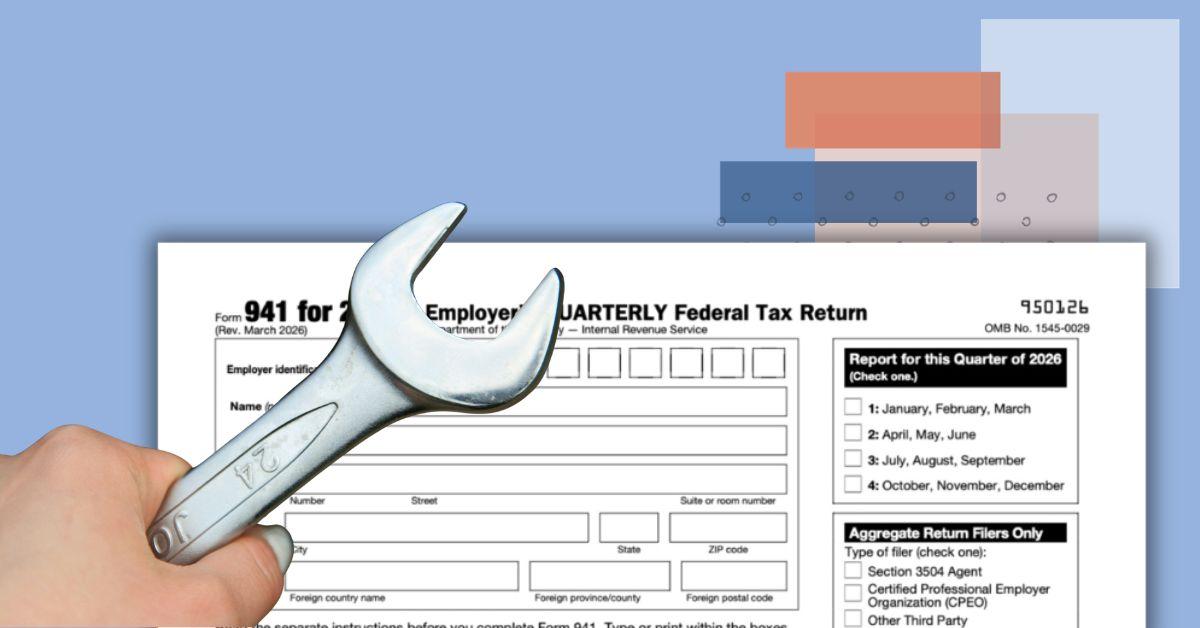
For many business owners, April 15 can feel like the finish line of tax season. But in reality, it’s only the beginning of the next tax cycle; especially if you’re responsible for paying quarterly estimated taxes. As we move into the 2026 tax year, our team at WHZ is advising our business owner clients to pay attention to several policy changes, new compliance expectations, and shifting income dynamics.

Discover the benefits and risks of AI-driven financial insights, and why human financial advisors remain essential for personalized, strategic planning.

Learn nine ways to pay less at tax time, and put that money to work in your financial plan instead.

As we begin 2026, high earners are entering one of the most consequential tax years in more than a decade. The Tax Cuts and Jobs Act (TCJA) individual tax provisions officially expired on December 31, 2025, and Congress did not pass legislation to extend or modify those rules. Despite substantial debate throughout 2025 – and speculation that the Omnibus Budget and Border Security Act (OBBBA) or subsequent bills might carry extensions – no federal law ultimately altered the scheduled sunset.